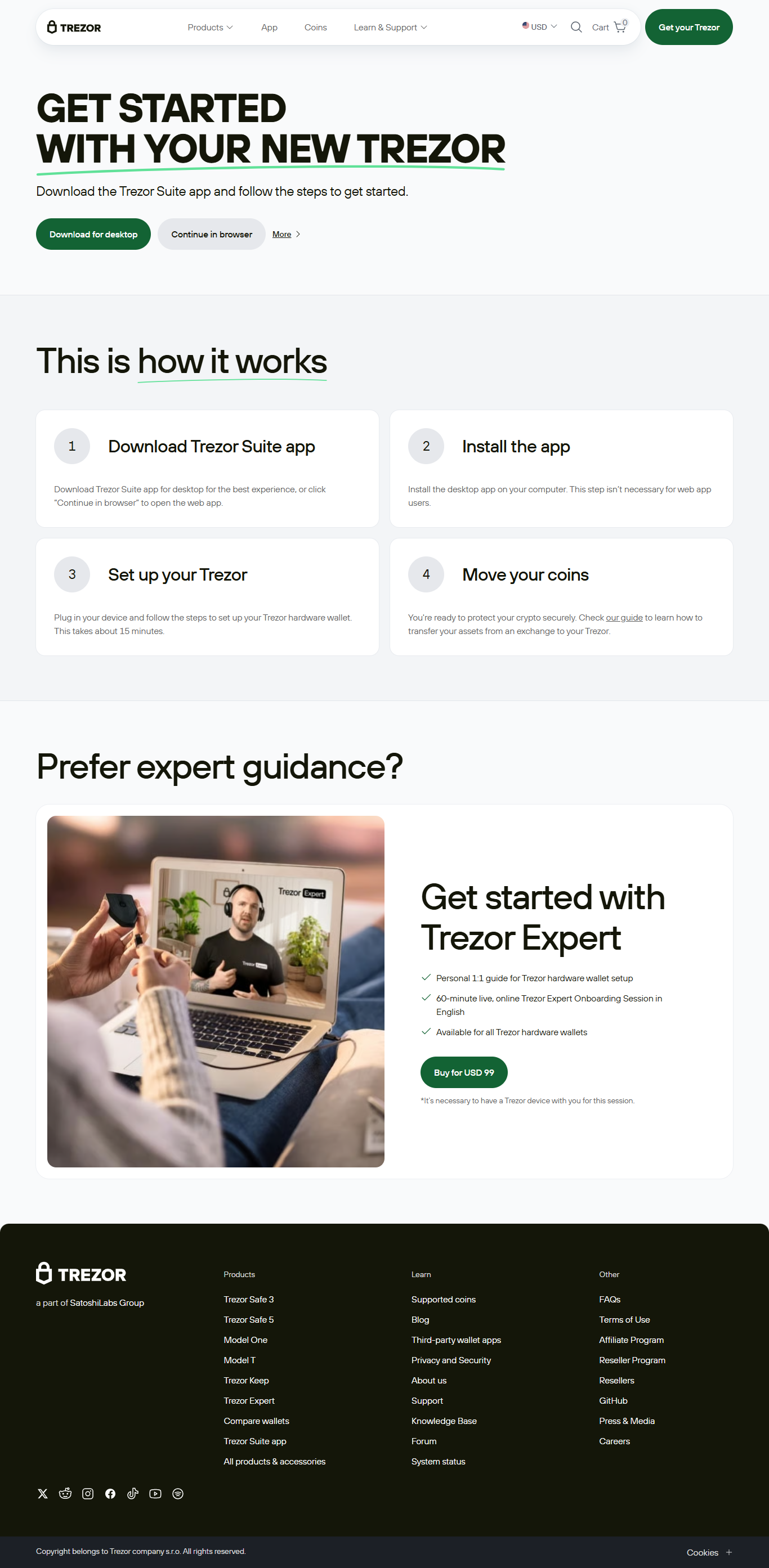
Trezor Bridge – Reliable Crypto Wallet Connection
Cryptocurrency has revolutionized finance by giving users complete control over their assets. Unlike traditional banks, where funds are held and managed by institutions, cryptocurrency relies on self-custody. This means that the security, management, and accessibility of digital assets are entirely in the hands of the user. Hardware wallets like Trezor have become essential tools in ensuring the safe storage of cryptocurrencies offline.
However, even with offline storage, users need a secure and reliable method to connect their hardware wallets to computers and software interfaces to manage their funds. This is where Trezor Bridge comes into play. As the official connection tool for Trezor wallets, Trezor Bridge ensures seamless, secure, and efficient communication between your hardware wallet and Trezor Suite software or other supported platforms.
Understanding Trezor Bridge is essential for anyone who wants to combine the convenience of digital interfaces with the unmatched security of hardware wallets.
What Is Trezor Bridge?
Trezor Bridge is a lightweight software application that acts as an intermediary between your Trezor hardware wallet and your computer or browser. Its primary role is to facilitate secure communication so that you can interact with your wallet safely without exposing private keys to the internet or potentially compromised devices.
Trezor Bridge works with all Trezor hardware wallets, including:
Trezor Model One
Trezor Model T
It supports both desktop applications, such as Trezor Suite, and compatible web-based platforms, allowing users to manage cryptocurrencies efficiently and securely.
Why Trezor Bridge Is Essential
Although Trezor hardware wallets keep private keys offline, users still need to connect their devices to software for tasks such as checking balances, sending transactions, and managing multiple cryptocurrencies. This connection is a critical point of interaction where security could be compromised.
Trezor Bridge ensures that:
Communications between your wallet and computer are encrypted.
Transactions are authenticated and verified by the hardware device itself.
Malware and malicious software cannot intercept or alter commands.
Users can safely use web applications and desktop software without risking private key exposure.
By acting as a trusted communication layer, Trezor Bridge ensures that your crypto remains safe while allowing you to use modern interfaces for portfolio management.
Key Features of Trezor Bridge
Trezor Bridge comes with a host of features designed to provide security, reliability, and convenience:
1. Secure Communication
All data exchanged between your Trezor wallet and connected software is encrypted. This ensures that private keys never leave the hardware wallet, and sensitive operations, such as transaction signing, remain secure from hackers and malware.
2. Seamless Software Integration
Trezor Bridge works flawlessly with Trezor Suite, the official software interface for Trezor wallets, and other supported web applications. Users can manage assets, track portfolio performance, and execute transactions without technical difficulties.
3. Cross-Platform Compatibility
Trezor Bridge is designed to work on all major operating systems:
Windows
macOS
Linux
This makes it accessible to a broad range of users, regardless of their preferred computing environment.
4. Automatic Updates
Trezor Bridge receives automatic updates to stay compatible with new operating system versions, browser updates, and Trezor hardware features. This ensures continued security and smooth functionality without requiring manual intervention.
5. Browser Support
Unlike older connection methods, such as the Trezor Chrome extension, Trezor Bridge works across multiple web browsers while maintaining security. This allows users to safely access web-based crypto tools without relying on potentially vulnerable browser extensions.
How Trezor Bridge Works
Trezor Bridge operates as an intermediary between your Trezor device and software interfaces. Its functioning can be broken down into five simple steps:
Device Connection: When you plug in your Trezor wallet via USB, Trezor Bridge detects the device.
Secure Channel Establishment: Bridge creates an encrypted communication channel between the wallet and software.
Command Transmission: Software commands, such as viewing balances or preparing transactions, are transmitted securely to the hardware device.
On-Device Verification: Users confirm sensitive operations, such as signing a transaction, directly on the Trezor device.
Response Delivery: The wallet’s response is transmitted back through the encrypted channel to the software interface.
This process ensures that private keys never leave the device and that all critical operations remain secure.
Benefits of Using Trezor Bridge
Enhanced Security
Trezor Bridge provides a trusted communication channel that prevents malware, phishing attacks, and browser exploits from compromising your transactions. Combined with hardware wallet verification, it ensures that funds remain safe from external threats.
Reliable Connectivity
By replacing older browser extensions and unstable connection methods, Trezor Bridge ensures that your hardware wallet communicates reliably with desktop and web applications. Users no longer face compatibility issues when upgrading browsers or operating systems.
User-Friendly Experience
Once installed, Trezor Bridge runs in the background, enabling smooth operation without frequent user intervention. Connecting your wallet becomes simple and straightforward, even for beginners.
Automatic Updates
Regular updates keep Trezor Bridge compatible with new wallet features, cryptocurrencies, and blockchain protocols, ensuring long-term reliability and usability.
Installing Trezor Bridge
Installing Trezor Bridge is quick and simple. Follow these steps for a smooth setup:
Download the Installer: Visit the official Trezor website to download the latest version for your operating system.
Run the Installer: Follow the on-screen instructions to complete installation.
Connect Your Trezor Wallet: Plug in your Trezor device via USB; Trezor Bridge will detect it automatically.
Launch Trezor Suite or Web Interface: Open Trezor Suite or a compatible web application to start managing your crypto assets.
Once installed, Trezor Bridge runs automatically in the background, ensuring your wallet connection is always secure.
Security Best Practices with Trezor Bridge
To maintain optimal security when using Trezor Bridge:
Download Only from Official Sources: Avoid third-party websites to prevent malware installation.
Keep Firmware Updated: Always update your Trezor device to the latest firmware version.
Verify Device Confirmation: Ensure on-device verification prompts appear for all sensitive operations.
Use Trusted Devices: Only connect your Trezor wallet to secure, personal computers.
Prefer Official Interfaces: Use Trezor Suite or other verified applications for managing crypto assets.
Following these practices ensures maximum security and minimizes the risk of losing funds.
Trezor Bridge vs. Other Connection Methods
Earlier Trezor wallet users relied on the Trezor Chrome Extension for browser-based connectivity. While functional, extensions posed several challenges:
Vulnerable to browser security exploits
Limited browser compatibility
Frequent disruptions after updates
Trezor Bridge addresses these issues by offering a standalone, secure, and cross-platform solution, providing better reliability, enhanced security, and long-term usability.
Who Should Use Trezor Bridge?
Trezor Bridge is essential for anyone using a Trezor hardware wallet. It is particularly beneficial for:
New cryptocurrency users: Simplifies the process of connecting hardware wallets to software.
Advanced traders: Provides seamless multi-asset management and reliable transaction execution.
Privacy-focused users: Supports secure connections even through Tor-enabled browsers.
Businesses and institutions: Ensures safe wallet access for multiple users managing corporate crypto assets.
Essentially, every Trezor hardware wallet owner benefits from using Trezor Bridge.
Conclusion
In the modern cryptocurrency ecosystem, secure hardware wallets are only as effective as their connectivity solutions. Trezor Bridge fills this critical role, providing a reliable, encrypted, and user-friendly connection between Trezor hardware wallets and software interfaces like Trezor Suite.
With features such as cross-platform compatibility, browser support, encrypted communication, and automatic updates, Trezor Bridge ensures that cryptocurrency users can manage their assets confidently and securely. By combining Trezor Bridge with a Trezor hardware wallet, users achieve the perfect balance of security, privacy, and convenience.
Whether you are a casual crypto holder, a professional trader, or managing crypto assets for a business, Trezor Bridge guarantees a trusted, seamless, and reliable connection—making it an indispensable tool in the Trezor ecosystem.