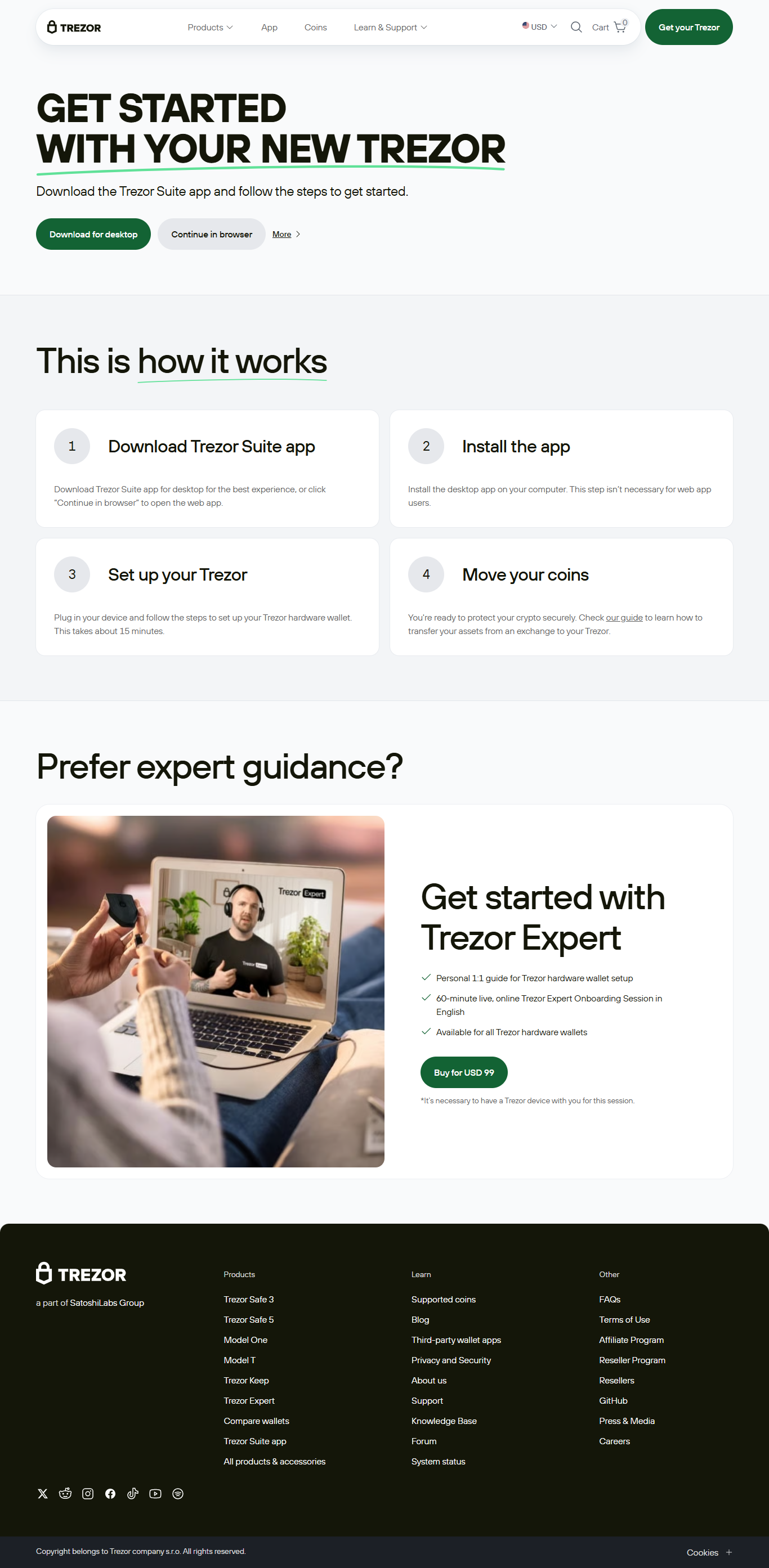
Trezor Bridge – Secure Interface for Your Wallet
In the rapidly expanding world of cryptocurrencies, ensuring the security of digital assets is more critical than ever. Users need reliable mechanisms to connect their hardware wallets with software interfaces without exposing sensitive information. Trezor Bridge serves as a secure interface that facilitates safe communication between Trezor hardware wallets and wallet applications, ensuring that private keys remain protected while users manage their digital assets efficiently.
Developed by SatoshiLabs, Trezor Bridge is a vital component of the Trezor ecosystem. It enables seamless interaction between hardware wallets like the Trezor Model T and Trezor One and applications such as Trezor Suite. This article provides an in-depth exploration of Trezor Bridge, highlighting its functionality, security features, integration, and why it is indispensable for anyone serious about crypto security.
What Is Trezor Bridge?
Trezor Bridge is a software application designed to provide a secure communication channel between Trezor hardware wallets and compatible software applications. When users connect their Trezor device to a computer or browser, Trezor Bridge ensures that all commands and responses are transmitted safely, maintaining the integrity and confidentiality of private keys.
Unlike older browser-based plugins, Trezor Bridge modernizes connectivity by eliminating deprecated technologies, enhancing compatibility across operating systems, and improving security. It functions as an intermediary that maintains encrypted and verified communication, allowing users to interact with their wallet software confidently.
Key Features of Trezor Bridge
Secure Communication Protocol
Trezor Bridge ensures that all communication between the hardware wallet and the software interface is encrypted. Commands issued by the software are executed exclusively on the hardware device, which isolates private keys from any online environment. This design protects against malware, phishing attacks, and unauthorized access.
Cross-Platform Compatibility
The software supports multiple operating systems, including Windows, macOS, and Linux. Users can manage their wallets across different platforms without sacrificing functionality or security, making Trezor Bridge a versatile solution for diverse user needs.
Automatic Updates
Trezor Bridge automatically detects updates and installs them as needed, ensuring users always have the latest security patches and performance enhancements. This continuous improvement helps maintain resilience against emerging threats in the cryptocurrency space.
Plug-and-Play Operation
Once installed, Trezor Bridge runs silently in the background. When a Trezor device is connected, it is instantly recognized by compatible applications such as Trezor Suite. This plug-and-play functionality streamlines wallet management, allowing users to quickly access account balances, transaction histories, and portfolio data without manual configuration.
Enhancing Security with Trezor Bridge
Trezor Bridge plays a crucial role in preserving the security of the Trezor ecosystem. By acting as a controlled intermediary, it maintains the isolation of private keys while enabling interaction with wallet applications.
Private Key Isolation
All private keys are generated and stored on the Trezor hardware device. Trezor Bridge ensures that these keys never leave the secure environment of the wallet, providing a critical layer of protection against potential attacks on the connected computer.
Transaction Verification
Every transaction initiated via Trezor Suite or other compatible software requires physical confirmation on the hardware wallet. Users can verify the recipient address, transaction amount, and fees directly on the device screen, mitigating risks associated with malware or unauthorized manipulation.
Open-Source Transparency
Trezor Bridge is open source, allowing developers and security researchers to inspect the code and verify its security integrity. This transparency fosters trust and ensures that vulnerabilities are identified and addressed promptly.
Installation and Setup
Installing Trezor Bridge is straightforward and designed to minimize the potential for user error.
Step-by-Step Installation
Download: Obtain the latest version of Trezor Bridge from the official Trezor website.
Install: Follow the guided installer for your operating system.
Connect Device: After installation, connect your Trezor hardware wallet. The software interface will recognize it automatically.
Start Managing Assets: Access your wallet through Trezor Suite or compatible applications, manage balances, perform transactions, and track your portfolio securely.
Troubleshooting and Diagnostics
Trezor Bridge includes built-in tools to help identify and resolve connectivity issues. Users are provided with clear guidance to restore proper functionality without requiring advanced technical knowledge.
Integration with Trezor Suite
Trezor Bridge works seamlessly with Trezor Suite, the official interface for Trezor hardware wallets. This integration provides users with full access to portfolio management, transaction tracking, and multi-asset support.
Benefits of Integration
Real-time account balance updates
Detailed transaction history with customizable fees
Portfolio monitoring and fiat currency conversion
Coin control for advanced Bitcoin transaction management
Through this integration, Trezor Bridge ensures a secure and streamlined experience for managing digital assets.
Advantages of Using Trezor Bridge
Reliable Connectivity
Trezor Bridge eliminates the inconsistencies and limitations of browser-based plugins, offering a stable and dependable connection between the hardware wallet and software interface.
Enhanced Security
By isolating private keys and handling all sensitive operations on the hardware device, Trezor Bridge maintains the highest security standards for cryptocurrency management.
User Convenience
With automatic device recognition, plug-and-play functionality, and cross-platform support, Trezor Bridge makes managing crypto assets simple and accessible.
Open-Source Verification
The open-source nature of Trezor Bridge allows continuous security auditing, fostering trust within the crypto community.
Conclusion
As cryptocurrencies become an integral part of global finance, secure wallet connectivity is essential. Trezor Bridge provides a critical, secure interface between Trezor hardware wallets and software applications, ensuring private keys remain protected while enabling efficient asset management.
With features such as encrypted communication, cross-platform support, automatic updates, and open-source transparency, Trezor Bridge enhances both security and convenience. Combined with Trezor Suite and Trezor hardware devices, it forms a robust ecosystem for secure, self-custodied cryptocurrency management.
For both newcomers and seasoned crypto users, Trezor Bridge offers the essential connectivity needed to maintain control, security, and peace of mind in the ever-evolving world of digital assets.